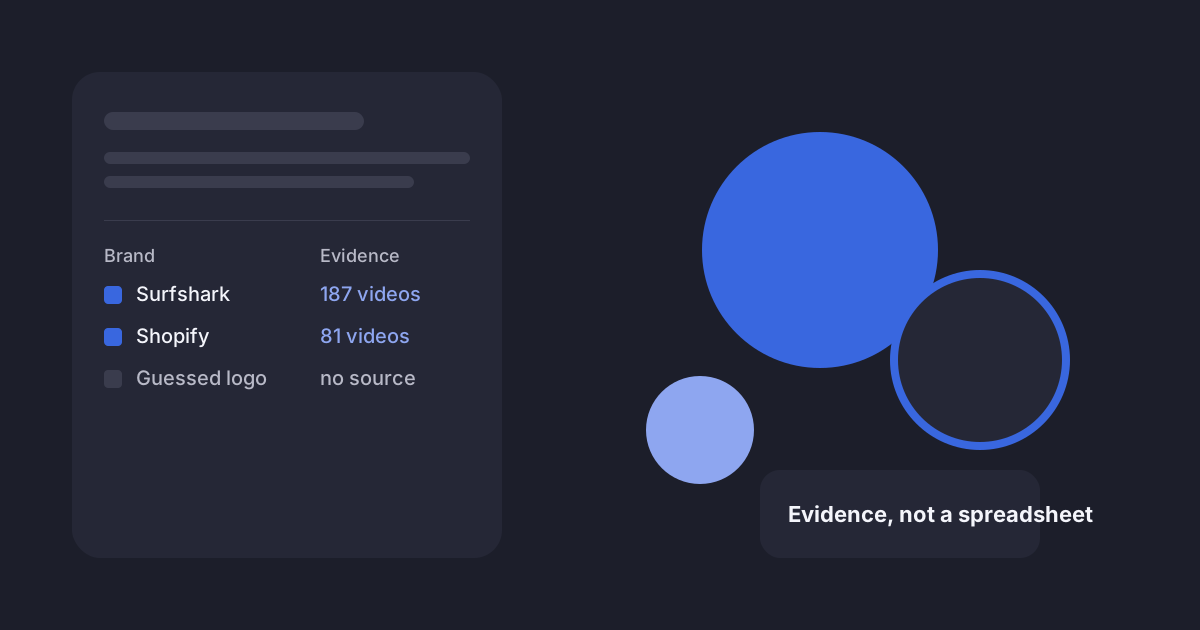
A talent agency needs one deduplicated sponsor queue with creator assignment, source evidence, ownership, and a next action. Build it by combining sponsorship histories across the roster, separating broad opportunities from specialist fits, and reviewing new evidence on a fixed weekly cadence.
The failure mode is familiar: each manager keeps a different spreadsheet, the same company is researched several times, two people approach it without knowing, and a strong niche fit disappears inside a generic list of roster-wide targets. More rows will not solve that. The board needs provenance and a decision owner.
What the shared sponsor board must contain
Keep the sponsor record separate from the outreach record. One company may suit several creators, but it should still have one research source of truth and one person coordinating the next external action. The creator assignment can change as the evidence improves.
Collect sponsor history across the roster
- 1Search every roster channelRecord the sponsors, source videos, dates, and repeated relationships. Preserve the channel that surfaced each company even after rows are merged.
- 2Add adjacent channels selectivelyUse close audience or format comparisons to find buyers outside the roster. Document why each external channel is relevant.
- 3Canonicalise the companyMerge spelling variants and sub-brands only when they represent the same buying entity for this workflow. Keep uncertainty visible when ownership is unclear.
- 4Assign a primary creatorChoose the creator with the strongest content and audience rationale. Shared sponsorship history is a clue, not a command to pitch the whole roster.
- 5Assign one ownerThat person coordinates research and any later approach. Multiple contributors can add evidence without creating multiple external threads.
In Sponsorbook, the collection step is channel by channel: search the creator, inspect the brand and video evidence, then save qualified companies to a list with the creator assignment in the note. The product does not currently run an automatic cross-roster overlap report, so the union and final assignment remain deliberate manager work.
Separate roster-wide opportunities from specialist fits
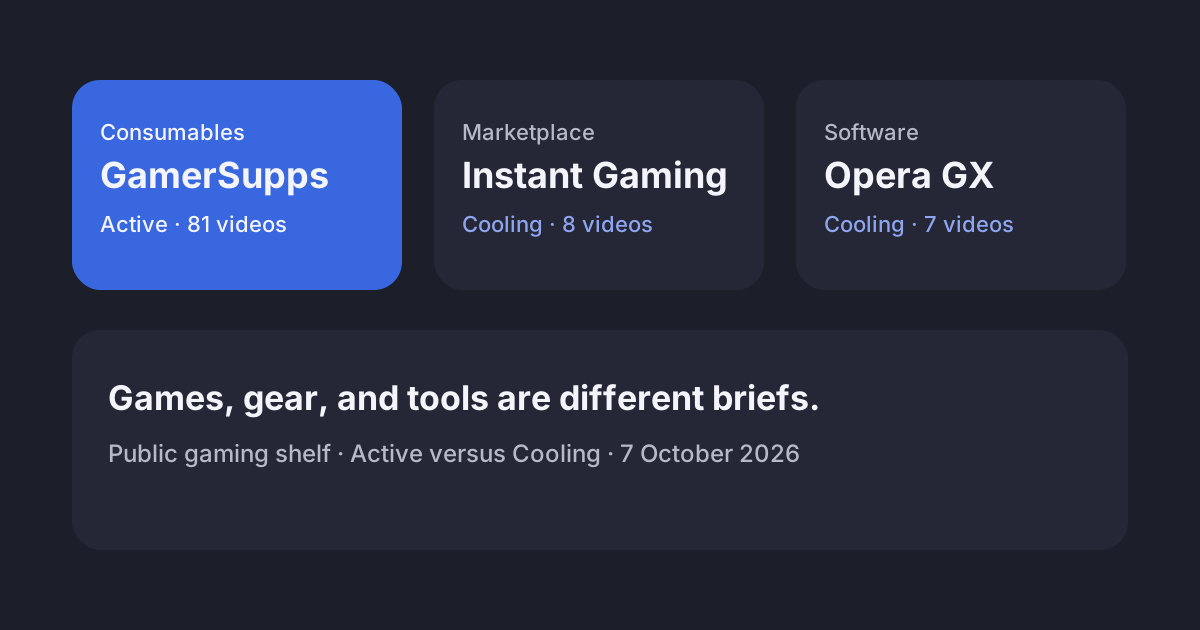
A company appearing around several creators deserves attention because it has demonstrated comfort with more than one context. The final assignment still depends on the product, viewer problem, expected delivery, geography, and creative precedent. A broad privacy product may support several educational creators; a specialised hardware product may belong with only one technical channel.
Start the exercise at the public The Action Lab creator profile. Its 26 August snapshot names BetterHelp and Brilliant in the public sponsor preview and lists several overlapping channels. A manager would union the full histories, then test every shared company against each candidate creator’s recent delivery and content plan. The overlap creates a research queue, not a finished pitch list.
Prioritise without creating duplicate outreach
- One company, one coordinating owner. Other managers can contribute context while the owner controls any external thread.
- One primary creator per proposed concept. Add secondary candidates only when the same brief could credibly support them.
- One dated evidence note. Include the latest relevant video, the source channel, and the reason the activity matters.
- One next action. Research a contact, develop a concept, request internal input, pause pending new evidence, or prepare outreach.
The weekly sponsor-research rhythm
Watches help surface changed sponsor activity, while lists and notes preserve qualification and assignment. They do not replace an outreach system, contract workflow, or customer relationship manager. Keep negotiation, agreements, deliverables, and external correspondence in the systems responsible for those records.
Where Sponsorbook stops
Sponsorbook supports sponsor lookup, evidence inspection, lists, notes, watches, and contact research where available. It does not send email, negotiate terms, manage contracts, approve content, invoice brands, or record campaign performance. Keeping that boundary explicit prevents a research signal from becoming an unsupported sales claim.
Methodology and limits
The roster workflow was designed against current Sponsorbook product capabilities and public catalogue semantics. The three-channel example is illustrative and based on public overlap suggestions, not on a real agency roster. Any operational cadence should be reviewed against the agency’s actual owner count, outreach system, approval rules, and creator communication process before adoption.