Tie retail messages to the device comparison
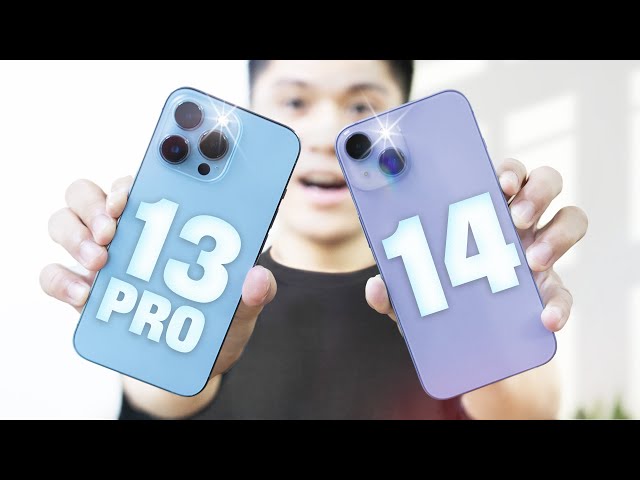
In the Pixel 8 Pro review, XTMobile appears as the host weighs the phone’s price against alternatives, with the read naming the retailer’s stock, warranty and current listed price. CellphoneS uses a similar comparison in the iPhone 13 Pro versus iPhone 14 video, where the presenter walks through price difference, trade-in support and a payment code before returning to the camera comparison.
These are useful local-retail references because the store is connected to the exact decision in the review. A pitch should name the featured device, the offer details available for that item and a clear route to check them. Keep the retail information distinct from the creator’s technical judgment.
Use connectivity as a natural device follow-up
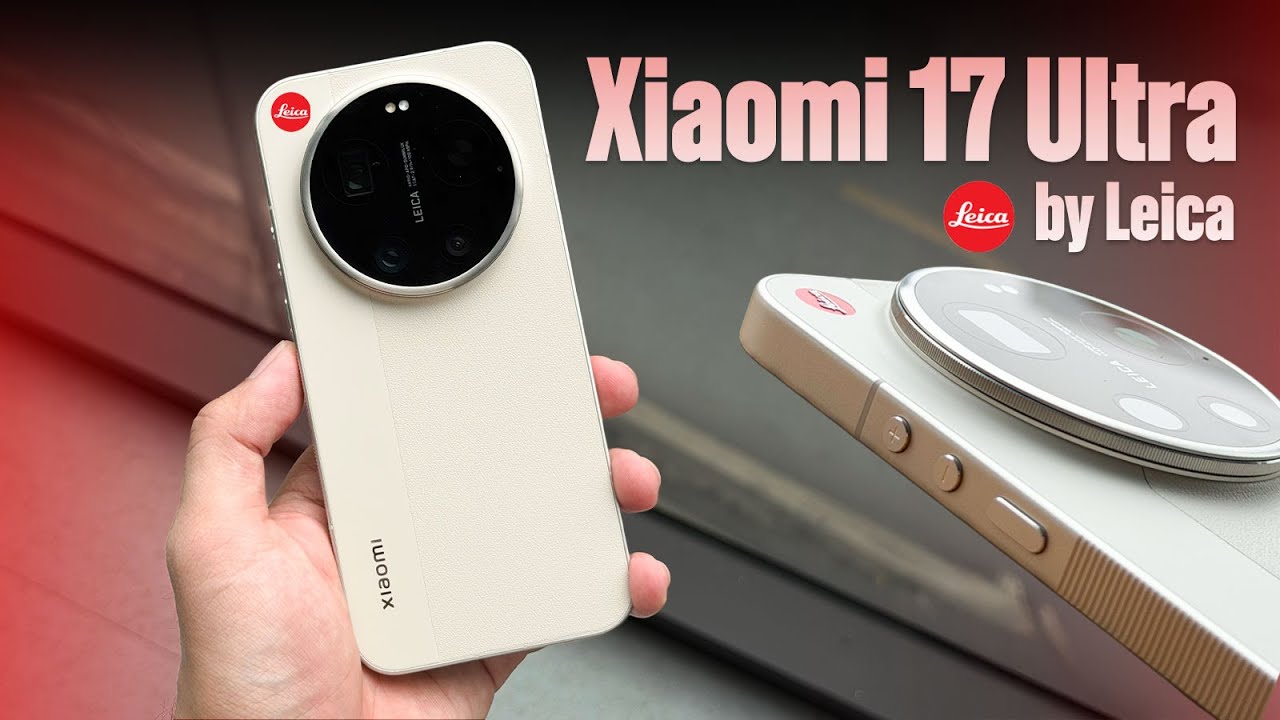
The Wintel read appears during an Xiaomi phone unboxing and addresses SIM plans for viewers interested in the device. It gives monthly plan prices and mentions community support and a data promotion. That is a natural adjacent category for a phone channel: once viewers see the handset, the service explains how they might connect it.
Earlier XTMobile integrations similarly connect to device upgrades, such as buying an iPhone with 5G or considering a used flagship. These examples suggest a practical pitch path through setup, buying or service rather than an unrelated brand message.
Make the offer fit the video’s stage
A retailer mention can appear early in an unboxing, when viewers want to know where to find a new model, or later in a comparison, once the creator has established trade-offs. The CellphoneS iPhone comparison uses pricing and trade-in details before the camera analysis; Wintel follows the hands-on opening of a Xiaomi phone with connectivity options.
For a brief, match the offer to that stage: availability and purchase route for an unboxing, model-specific comparison details for a review, or a plan choice for a device setup. That specificity makes the integration useful to a local audience.





 Sponsor at 1:34