Let the host’s explanation style carry the transition
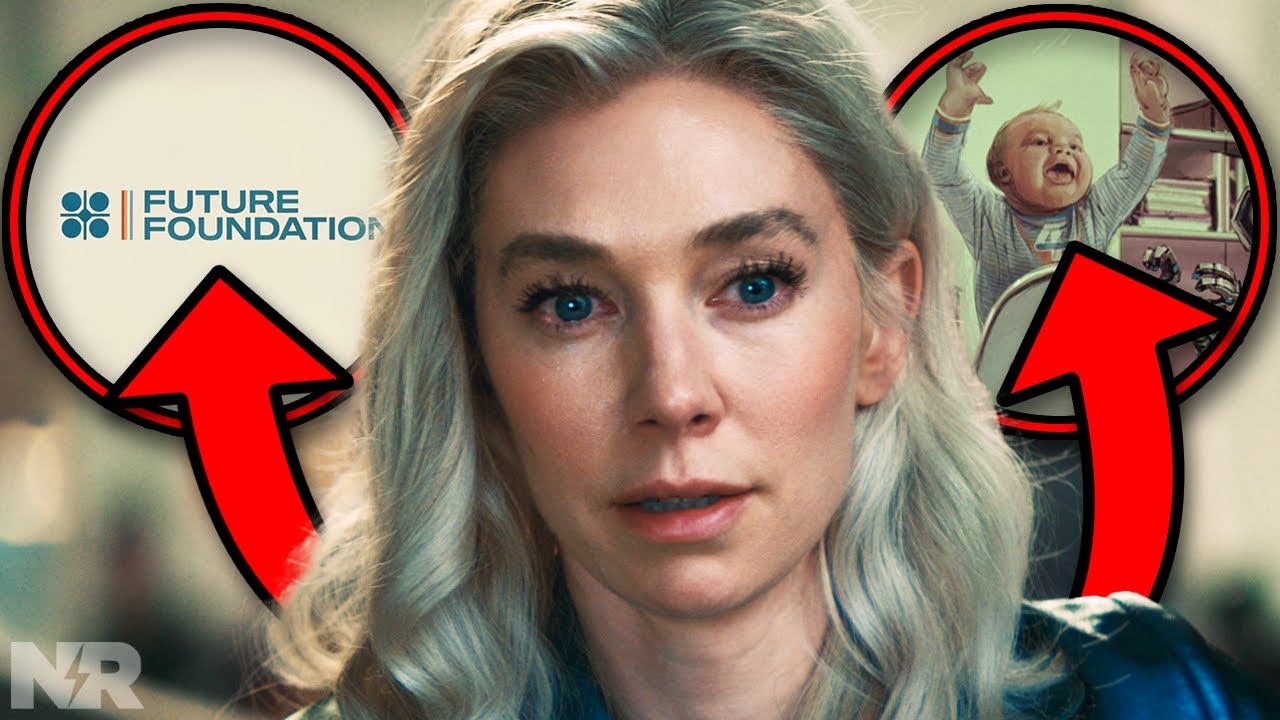
In the Avengers Doomsday trailer breakdown, Jessica Clemons moves from a detailed observation about costume design into a personal example of small frustrations accumulating during a hot, rushed day. She then connects that experience to finding a healthy outlet and introduces BetterHelp’s therapist-matching process. This is not a direct tie between the service and superhero lore; the transition works by returning to a recognizable human situation before the episode resumes its breakdown.
That distinction can guide a pitch for a service with no direct connection to fandom. Give the creator a real scenario that can be explained in their own words, rather than forcing the product into the fictional universe or the mechanics of an Easter-egg analysis.
Use an analogy that belongs in the episode
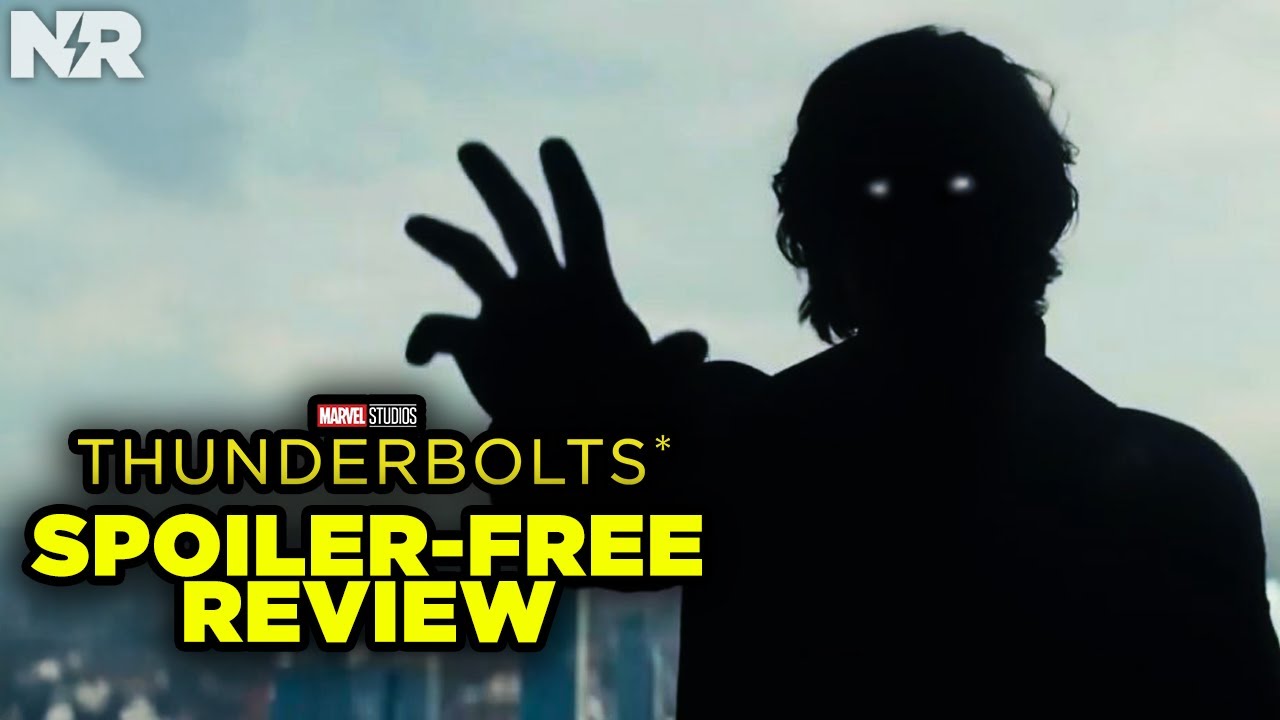
The ExpressVPN read in the Thunderbolts review is more tightly connected to the viewing context. It compares regional restrictions on online content to being unable to watch a video on a train after crossing a particular street, then develops the point with a streaming example and the creator’s research routine. The analogy makes an abstract location feature easier to picture and suits a channel discussing movies and shows.
Compared with the BetterHelp read, the transition is shorter and more directly tied to what the audience is watching. For a pitch, choose the right degree of thematic connection: a service can enter through a personal story, or through a simple analogy drawn from the episode’s subject.
Keep the return to the main video clean
Both integrations clearly mark the sponsor before presenting the product and return to the analysis afterward. The BetterHelp segment comes after a run of trailer details and is followed by the next character observation; the ExpressVPN read sits early in the review, before the discussion continues. In each case, the sponsor break has a beginning and an end rather than blurring into the editorial claim.
A strong proposal can name the transition point, the one benefit to explain, and how the host will re-enter the analysis. This is especially useful for serialized fandom coverage, where viewers come for the next clue and a long detour can disrupt the explanation.




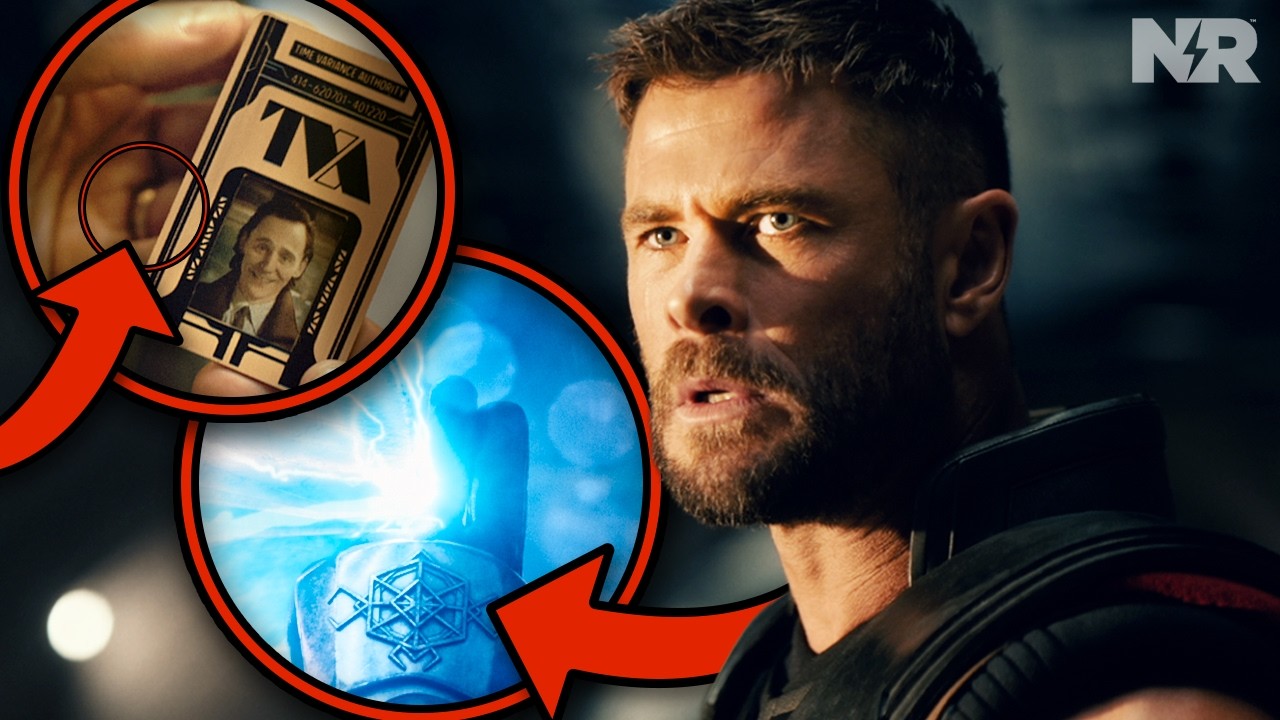 Sponsor at 19:09
 BetterHelp20 Jul 2026