What does a useful demonstration show?
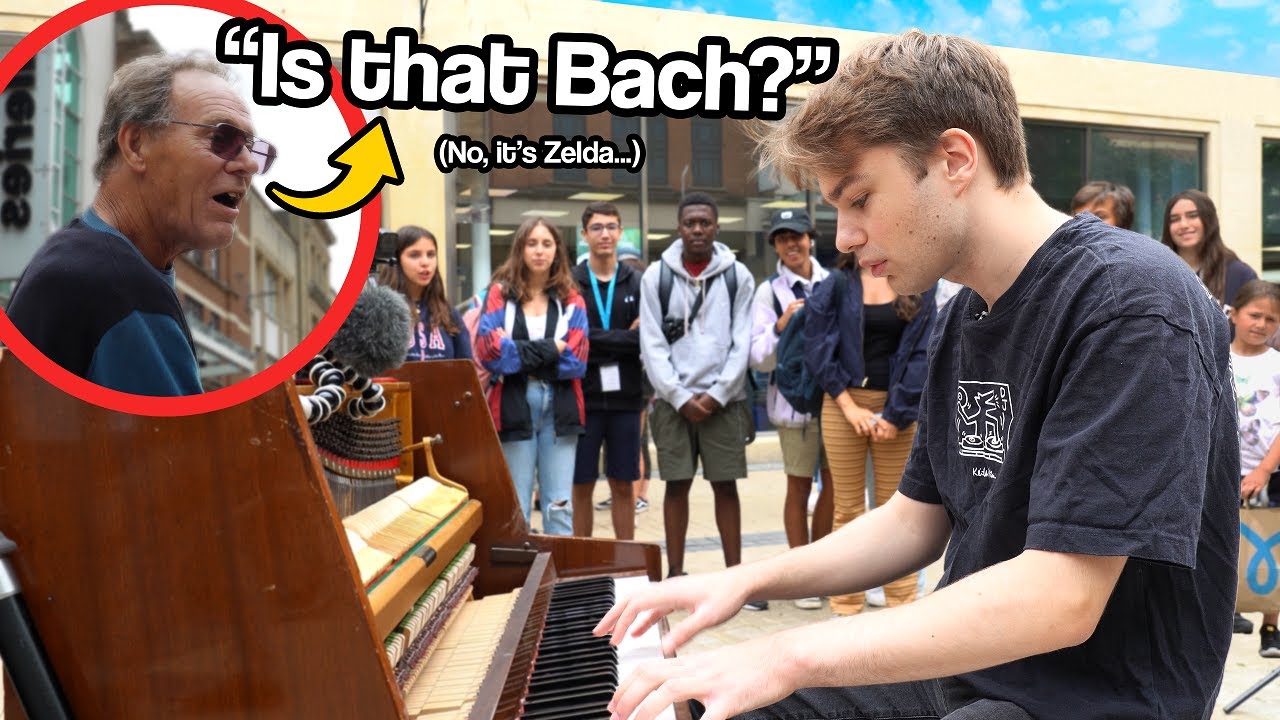
Joe Jenkins makes the app part of a real-time challenge: a beginner has a short window to learn a Zelda song before playing in public. The explanation of Wait Mode is concrete: the app listens, advances when the right note is played, and waits after a mistake. A second pianist then demonstrates breaking bars into smaller sections, extending the idea beyond first-time learners. The read is unusually demonstrative because the product’s feedback is shown as the activity unfolds.
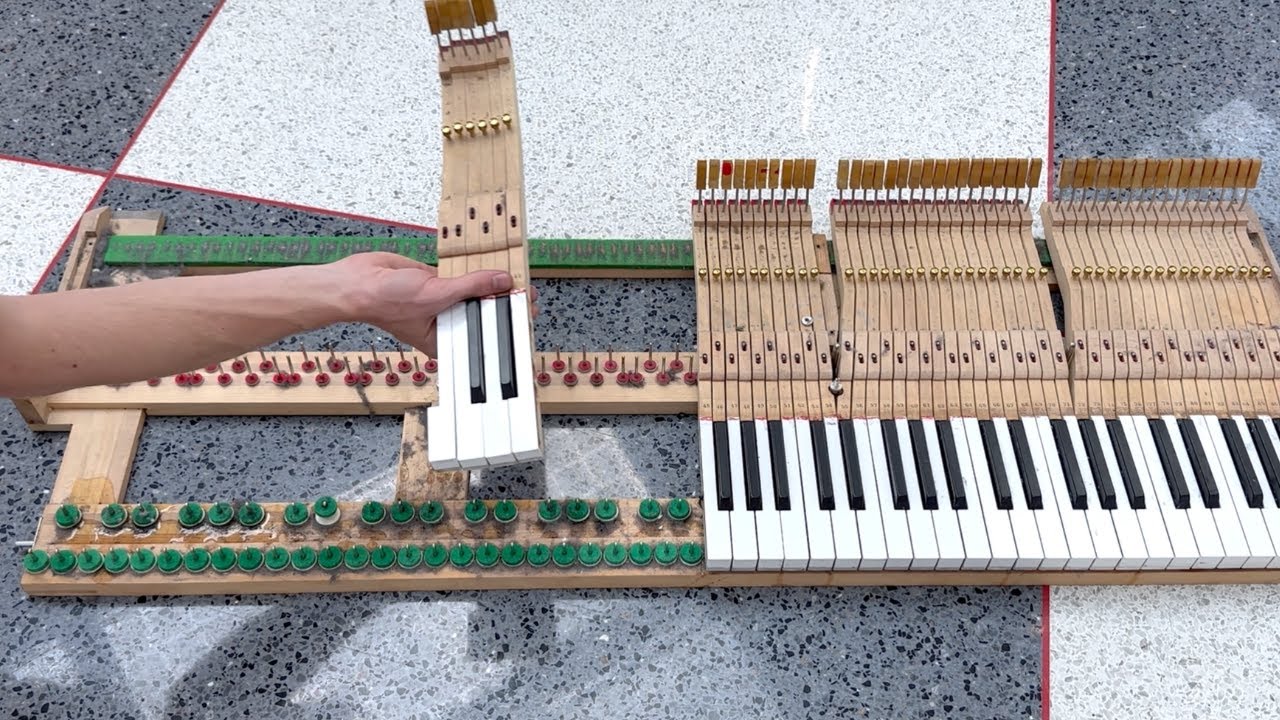
The Piano Doctor begins from a more personal obstacle. The creator says that difficulty reading sheet music kept him repeating familiar songs, then introduces flowkey while restoring a public piano. He describes choosing songs, looping sections, practicing one hand at a time and using sheet mode on an iPad. This is a useful narrative pattern: name a specific frustration, then demonstrate the feature that changes the practice session.
How does the sponsor fit a non-tutorial video?
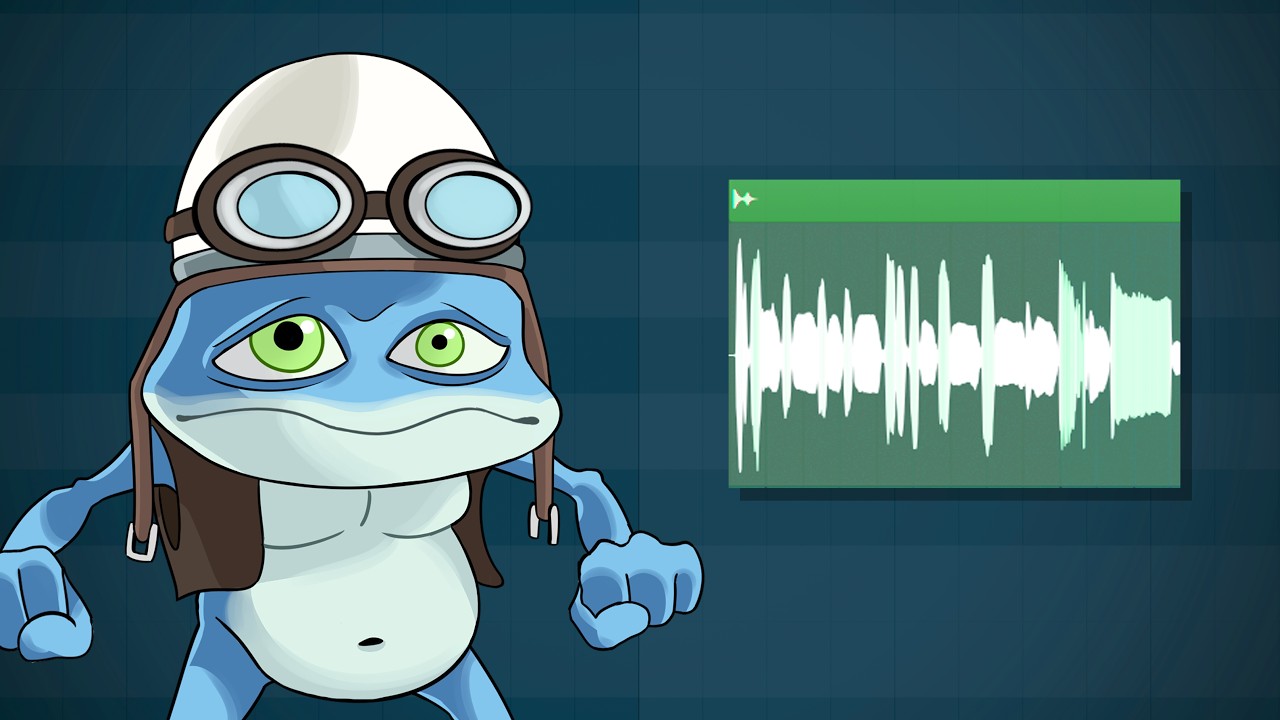
Synthet links the app to the creator’s own first piano-learning experience while telling the story of the Crazy Frog project. The read describes slowing a piece down and following the notes as they arrive, then returns to the music-making question. David Bennett Music Theory takes a different route: during a discussion of pop songs, the read demonstrates Wait Mode by playing a note correctly and incorrectly. Both preserve the creator’s usual subject while using a small, relevant musical demonstration.
Katherine Cordova’s Q&A offers a personal-song angle: she notes that her own arrangements can be learned in the app and describes using the feedback feature to revisit a piece. That example suggests a creator can connect the service to a recognizable repertoire without turning the entire video into an app tutorial.
What should a creator pitch?
Choose an idea the creator can actually try on camera: learn a short song, revisit an old arrangement, or work through one difficult passage. Name the specific feature that makes the idea watchable, such as Wait Mode, looping, one-hand practice or tempo adjustment. Joe Jenkins is the strongest reference for a challenge-led story; The Piano Doctor is better for a before-and-after learning narrative; David Bennett offers a concise demonstration within music analysis.